

The międzynarodowy transport zwłok is a deeply sensitive and logistically complex process that families and authorities must face during a time of mourning. When a loved one passes away abroad, returning their remains home is not only a matter of closure but also involves legal, diplomatic, and procedural intricacies. Every nation has specific regulations governing the movement of human remains, and coordinating these requirements across borders presents unique challenges.
At the heart of the international transportation of corpses are a series of legal protocols. Countries require documentation such as death certificates, embalming certificates, and a certificate of non-contagious disease to permit cross-border movement of a deceased body. These documents ensure that health regulations are met and that the transportation process respects both the dignity of the deceased and the safety of those involved. Without proper documentation, delays or denials at customs and border controls can occur, compounding the grief of the family.
Embalming is typically a required step in the international transportation of corpses to ensure the body is preserved during transit. The embalming process must comply with the receiving country’s health and safety standards. In many cases, the body must be placed in a hermetically sealed coffin or a zinc-lined casket, often enclosed within a wooden crate. These precautions are taken to prevent leakage, odor, and the spread of disease, aligning with international health conventions.
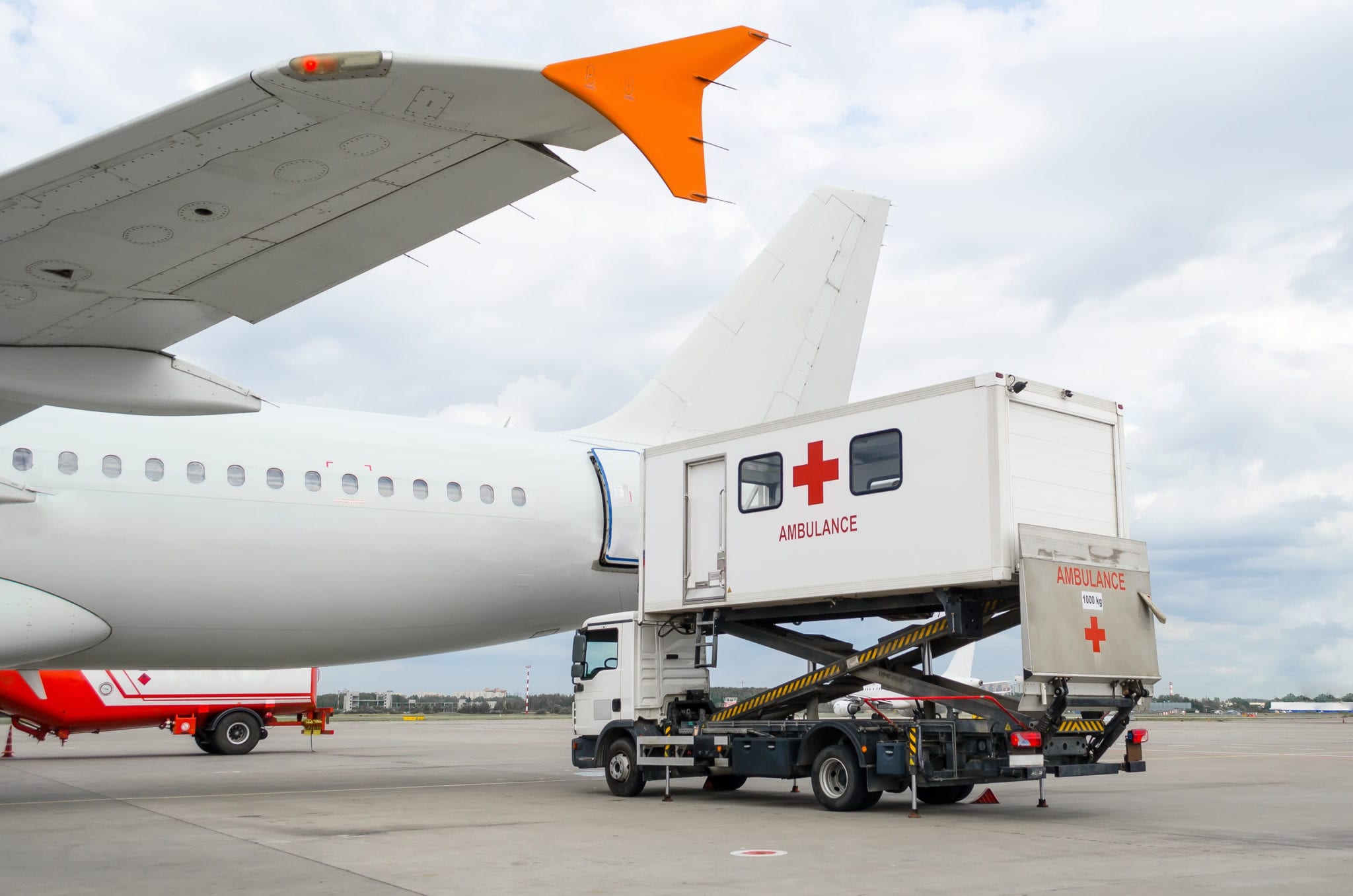
Airlines play a critical role in the international transportation of corpses, as air travel is the most common method of transport across countries. Most commercial airlines have specific procedures for handling human remains, often requiring coordination with funeral homes and cargo services. The body is classified as “human remains cargo” and must be accompanied by a licensed funeral director or a recognized shipping agent who ensures all regulatory requirements are met. Airport logistics, from customs inspections to tarmac transfers, are carefully orchestrated to maintain respect and efficiency.
Cultural and religious sensitivities must also be considered in the international transportation of corpses. Different religions have distinct traditions concerning death and burial, including time constraints on when the body must be buried. For example, Islamic and Jewish faiths typically require burial within 24 hours, which can conflict with bureaucratic delays. Funeral directors and international mortuary specialists often liaise with consulates and religious authorities to find solutions that honor these traditions while complying with legal obligations.
The cost of international transportation of corpses is another critical consideration for families. Expenses can range from several thousand to tens of thousands of dollars, depending on the country of death, destination, airline policies, and preparation requirements. Costs may include embalming, casket purchase, consular fees, transport permits, and flight cargo charges. Some travel insurance policies or repatriation services can cover part or all of these costs, so families are encouraged to verify what protections are available before traveling.
Diplomatic involvement is sometimes necessary in the international transportation of corpses, especially in cases of suspicious death, accidents, or political circumstances. Embassies and consulates often assist families in navigating local laws, obtaining necessary paperwork, and coordinating with local funeral homes or authorities. In instances where autopsies are mandated or where deaths occur in disaster zones or during armed conflict, diplomatic intervention becomes even more crucial.
In the case of mass casualties, such as natural disasters or airline crashes, the international transportation of corpses takes on an even more complex dimension. Identifying the deceased, notifying next of kin, and ensuring the dignified return of remains to different countries require coordinated efforts among governments, humanitarian organizations, forensic teams, and international agencies. These large-scale operations often become high-profile, drawing attention to the need for standardized global protocols.
Technology has increasingly played a role in facilitating the international transportation of corpses. From digital tracking systems for caskets in transit to online coordination platforms between consulates, funeral homes, and airlines, technology has helped streamline the process. Some countries have begun implementing electronic documentation systems, reducing processing time and human error. However, discrepancies between digital and paper-based systems across different jurisdictions still pose challenges.
Ultimately, the international transportation of corpses is about honoring human dignity across borders. While the procedures involved are meticulous and sometimes burdensome, they serve a vital purpose: to reunite families with their loved ones and to provide closure through culturally appropriate funeral rites. As global mobility increases and more people live, work, or travel abroad, the need for compassionate, efficient, and standardized procedures will only continue to grow.
In conclusion, the international transportation of corpses is a vital, if rarely discussed, part of global human mobility. It bridges legal, cultural, and emotional divides, providing families with the ability to bring their loved ones home. Though filled with bureaucratic and logistical obstacles, the system is built to ensure respect, legality, and compassion prevail in one of life’s most difficult moments. As international cooperation evolves, so too must the protocols that guide this deeply human responsibility.